


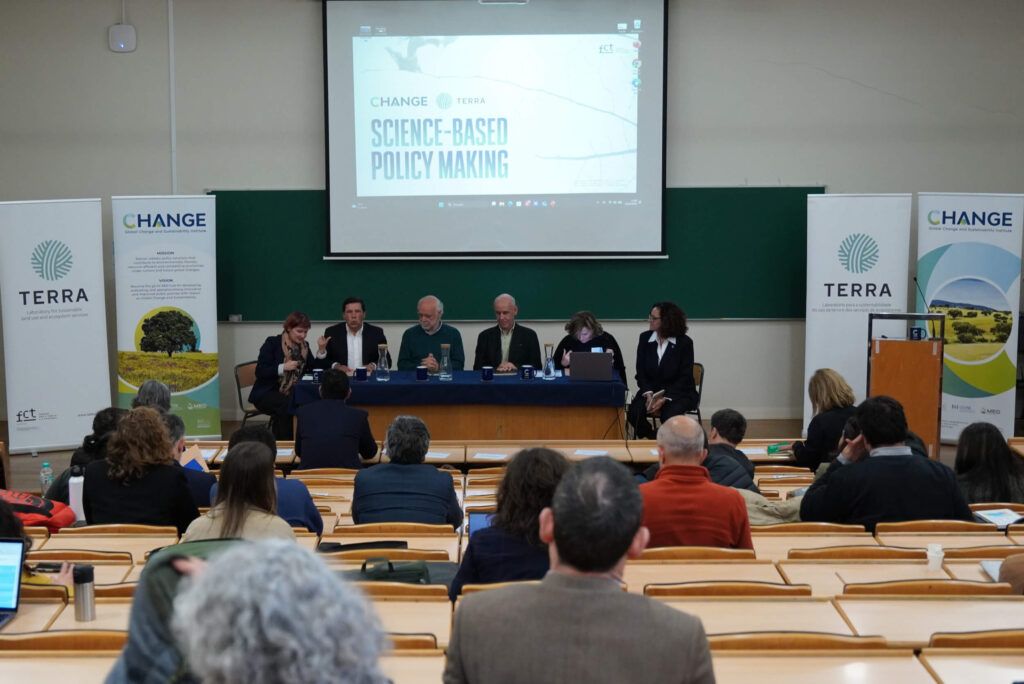
TERRA and CHANGE strengthen the link between science and public administration at the “Science-based Policy Making 2026” conference
The development of effective public policies requires an increasingly close integration of scientific knowledge, social needs, and decision-making processes. To this end, the TERRA Associate Laboratory, in partnership with CHANGE – Global Change and Sustainability Institute, organized the conference “Science-based Policy Making: Building a Better Future,” held on March 20 at the Faculty of Sciences of the University of Lisbon.
The meeting brought together researchers, policymakers, and representatives of the public administration in a forum dedicated to structured dialogue and knowledge transfer, reinforcing the role of the Associate Laboratories as key institutions bridging the gap between academia and the public administration.
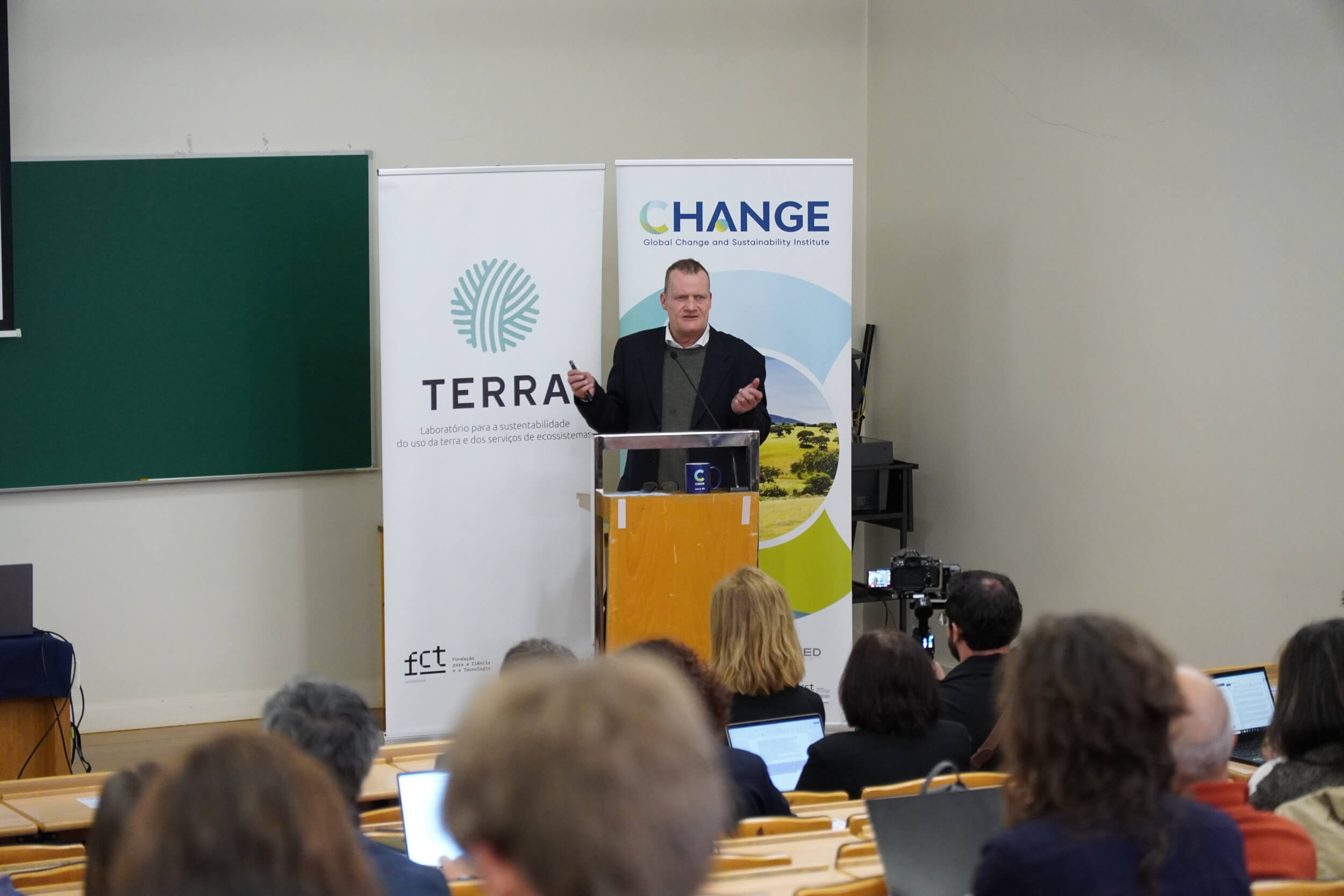
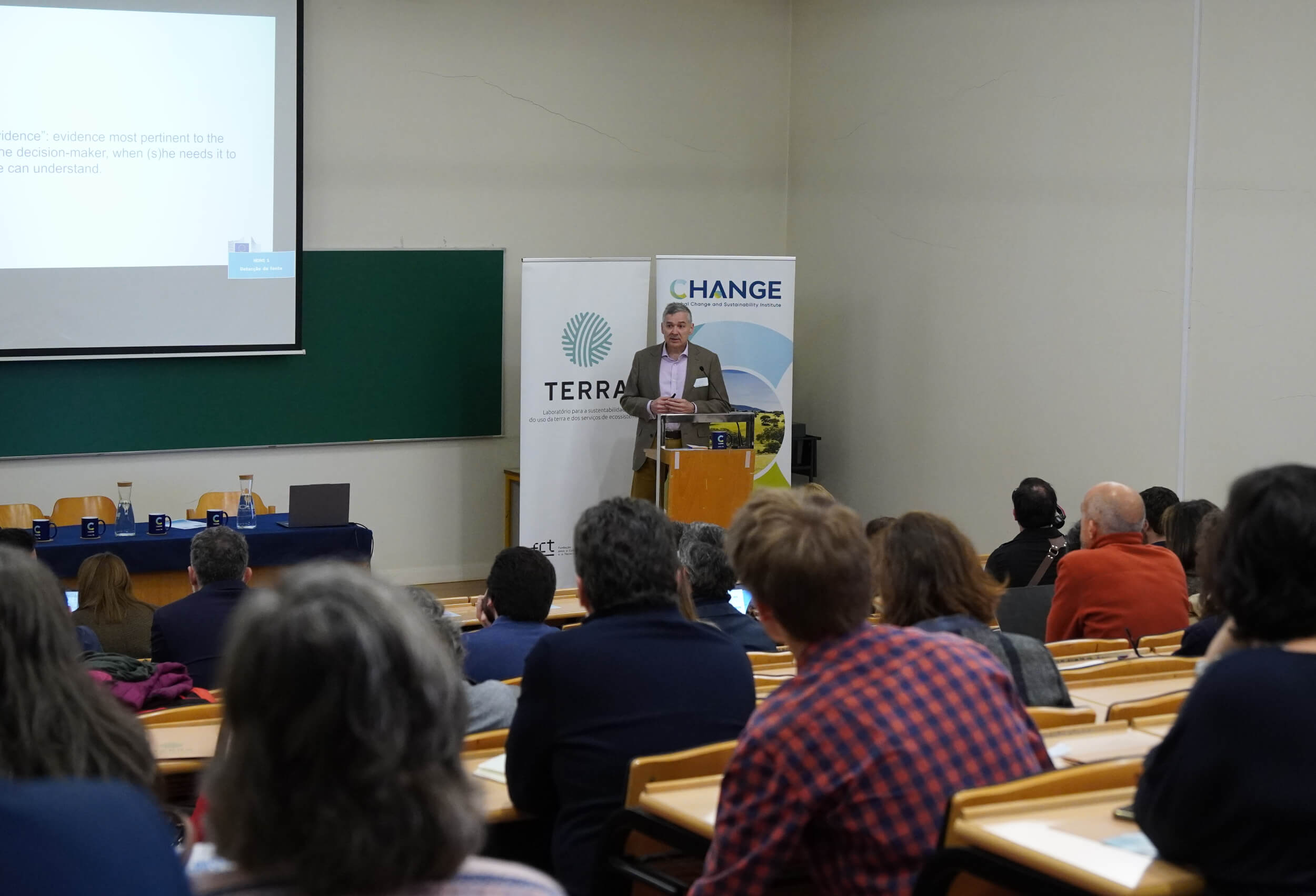
The conference featured presentations by internationally renowned experts. David Mair, from the European Commission’s Joint Research Centre, highlighted the importance of decision-making processes grounded in robust evidence and ongoing dialogue with the scientific community. Henrik Vejre, a professor at the University of Copenhagen, brought the perspective of sustainability, food systems, and land management, emphasizing the need for integrated approaches to address complex challenges.
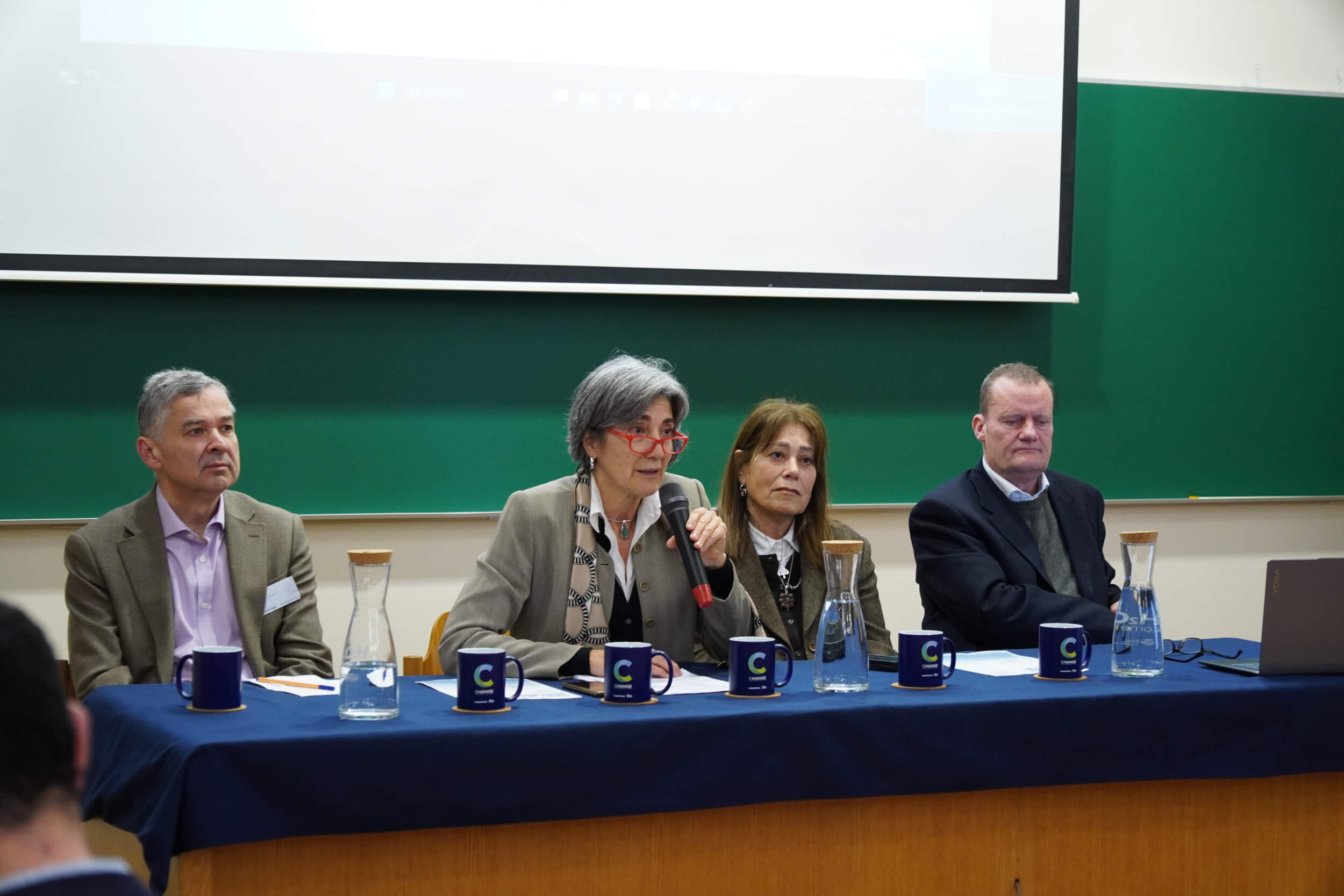
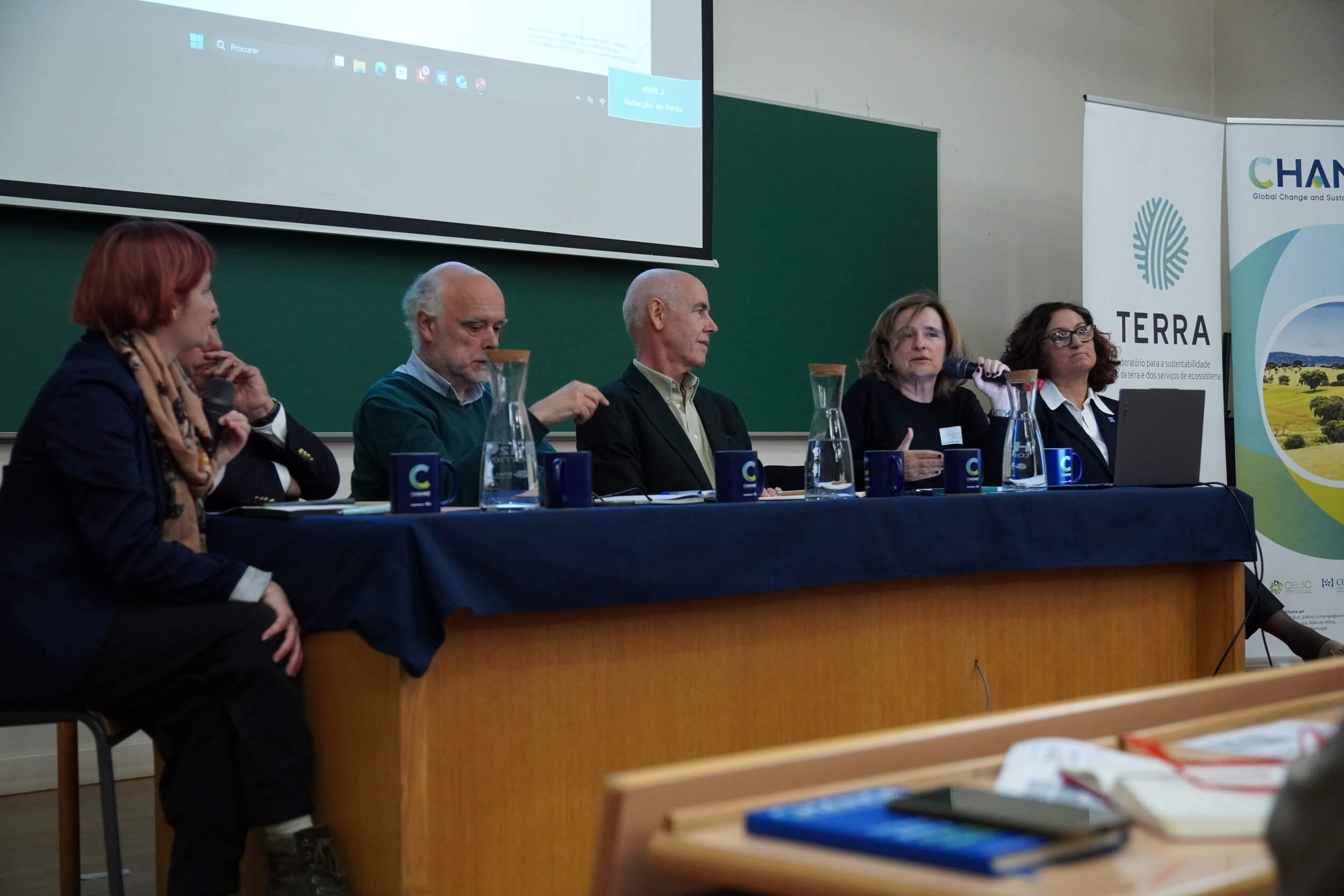
The plenary roundtable, moderated by journalist Aline Flor, brought together experts from academia and public administration: Cristina Máguas, a professor at the Faculty of Sciences of the University of Lisbon and a researcher at CE3C, whose work in plant ecophysiology is widely recognized; Helena Freitas, professor at the University of Coimbra, member of TERRA, and a national authority on biodiversity; Humberto Delgado Rosa, an authority on environmental policy and former Secretary of State for the Environment; José Manuel Lima Santos, TERRA member, professor at the Higher Institute of Agronomy, and specialist in environmental economics; and Rui Santos, professor at NOVA FCT and researcher in spatial planning and public policy. The debate focused on mechanisms to strengthen knowledge transfer, improve communication between sectors, define priorities, and promote ongoing collaboration in the Portuguese context.
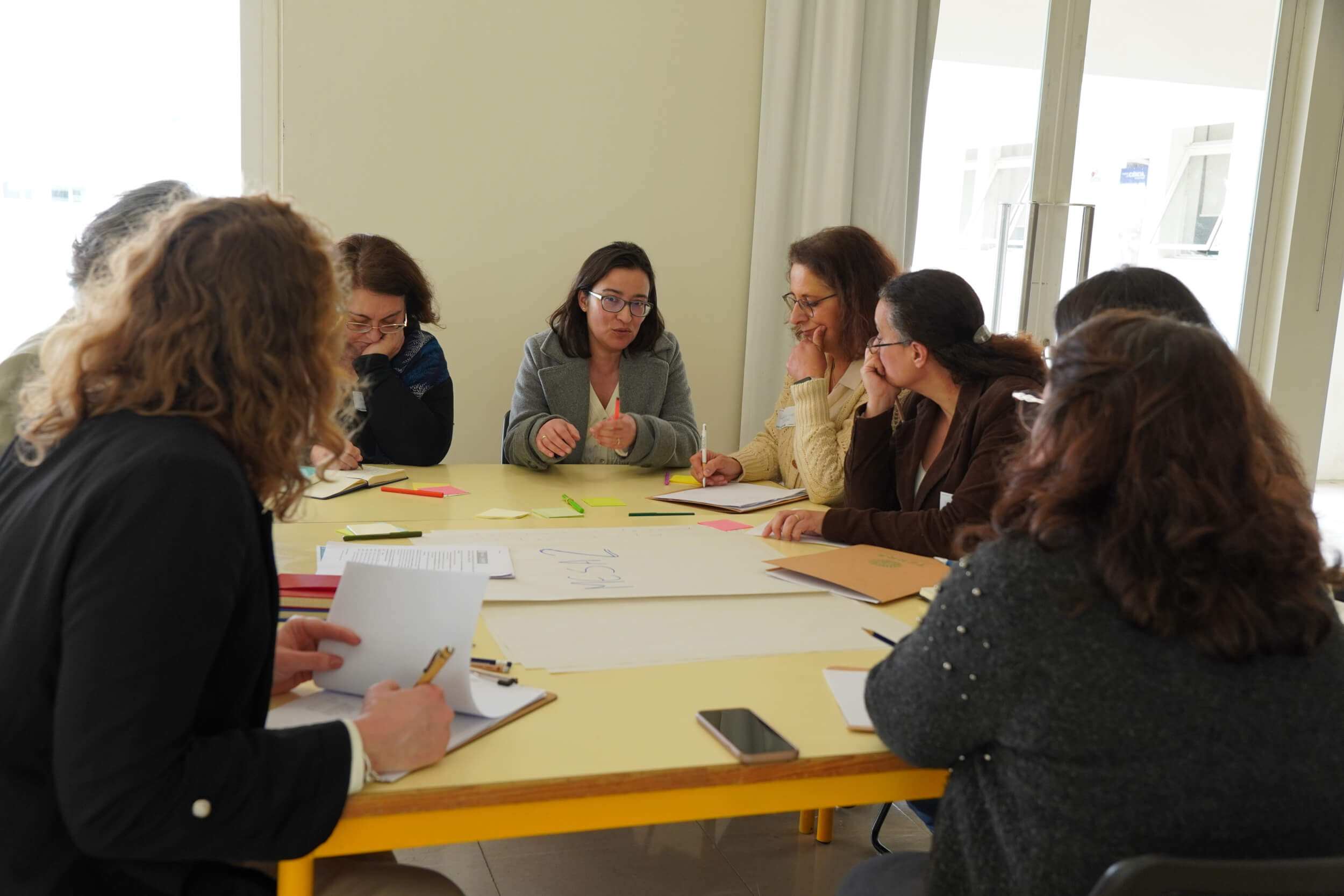
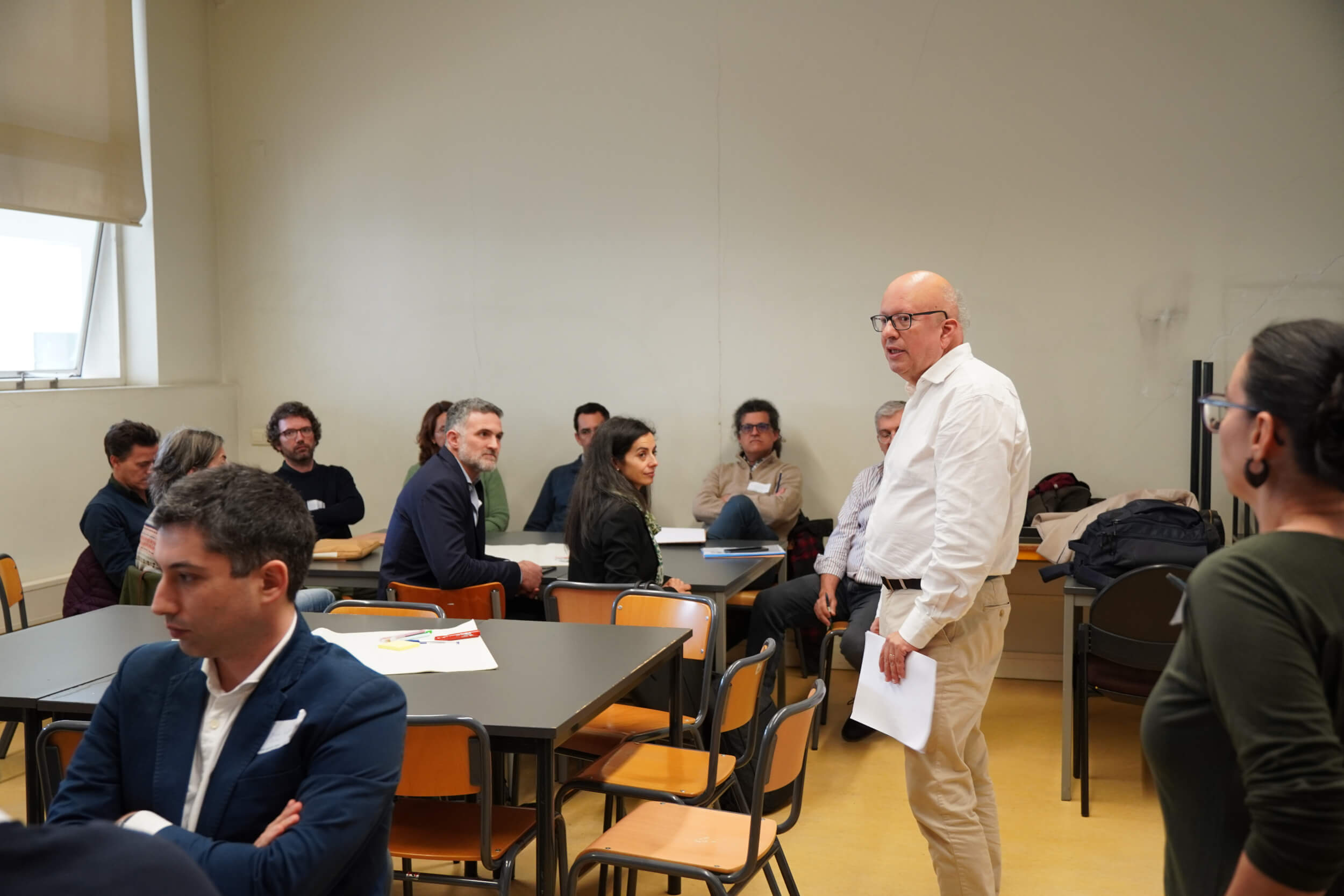
In the afternoon, participants split into five thematic panels focused on strategic challenges for the future of public policy — Agriculture and Soil, the Nature Restoration Law, People and Land Use with a focus on local and regional planning, Climate and Energy Resilience following extreme events, and One Health. These discussion forums facilitated direct dialogue between researchers and public administration officials, promoting the identification of concrete needs, the alignment of priorities, and the development of more informed and collaborative solutions.
Among all participants, the creation of platforms that consolidate scientific, administrative, and territorial information was identified as an essential prerequisite for more effective and adaptive public policies.

A cross-cutting conclusion: integrated data for more robust decisions
Throughout the program, it became clear that structures such as TERRA and CHANGE play a central role in the public policy ecosystem: they bridge the gap between research and the concrete needs of government, promote the circulation of knowledge, and help identify scientific expertise relevant to emerging challenges. The TERRA website, which systematizes and highlights these competencies, is an example of how science can organize itself to respond more effectively to the demands of policy-making.
The “Science-based Policy Making 2026” conference underscored the role of TERRA and CHANGE as strategic linchpins between science and public administration, contributing to a decision-making ecosystem that is better informed, more collaborative, and better prepared for the challenges of the future. The TERRA Associate Laboratory will continue to foster spaces for dialogue, provide relevant scientific expertise, and support the development of public policies grounded in scientific knowledge—a central commitment to building a more sustainable and resilient future.
The significance of this event, organized by TERRA and CHANGE, became even more apparent when it was featured in the “Azul” newsletter of the Público newspaper, where journalist Aline Flor — who moderated the roundtable — highlighted the importance of the solutions discussed at the event and the contribution they can make toward more informed and sustainable land management. Read the March 26 issue of the “Azul” newsletter here (in Portuguese).
Partilhe esta notícia:
Share this news: