


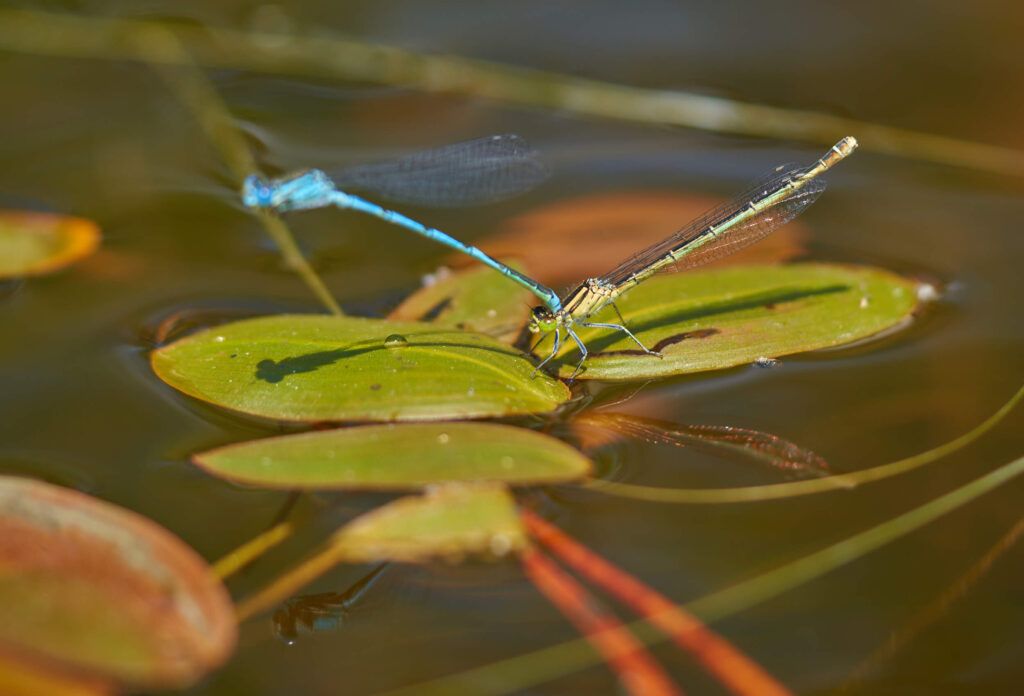
Anax imperator © Júlio Barreiros | TERRA Associate Laboratory
Executive Director of TERRA Emphasizes the Importance of Reversing the Threatened Status of Freshwater Species
In response to the recent study published in Nature highlighting the freshwater ecosystem crisis, the executive director of TERRA has warned about the risks, called for action, and proposed solutions for the recovery of these essential habitats.
The study published in Nature revealed that 24% of freshwater animal species are at risk of extinction, emphasizing the vulnerability of aquatic ecosystems and the urgent need for conservation efforts — read the study here. According to the executive director of the Associated Laboratory TERRA, Paulo Branco, the loss of freshwater biodiversity is not only an environmental issue but also a significant risk to human societies that depend on the services provided by aquatic ecosystems. “It is time to face reality and take effective measures to protect, preserve, and restore freshwater ecosystems and the species that depend on them,” he stated.
Threats to Freshwater Ecosystems
A recent article published in Público highlighted the alarming results of the Nature study, “One-quarter of freshwater fauna threatened with extinction,” which reveals that one-quarter of freshwater animal species are at high risk of extinction. The article underscores that, in addition to biodiversity loss, the decline of aquatic ecosystems compromises vital services, such as flood regulation and the supply of potable water—read the article here.
Freshwater ecosystems, which occupy less than 1% of the Earth’s surface and contain only 0.01% of the planet’s water, support approximately 10% of all known animal species, including half of all fish species and one-third of vertebrates. However, the Nature study revealed that, between 1970 and 2015, 35% of wetlands disappeared, accelerating biodiversity loss. “All human activities carried out on land have a direct impact on freshwater systems,” emphasizes Paulo Branco, executive director of TERRA. “From flood control and drinking water supply to climate change mitigation, the services provided by these ecosystems are indispensable and have a tremendous economic impact.”
Among the various conclusions of this study, the executive director of TERRA highlights the main threats identified, stressing their interconnection with human activities:
- Pollution: Contamination from fertilizers, pesticides, sewage, and industrial waste significantly affects water quality.
- Dams and Water Management: The construction of dams and excessive water extraction compromise the connectivity of river networks, altering habitats and blocking essential migrations for many species.
- Climate Change: Phenomena such as prolonged droughts and extreme weather events adversely impact aquatic habitats, exacerbating the survival challenges for species.
- Invasive Exotic Species: The introduction of non-native species alters ecological balance, competing with native species and often driving them to extinction.
Protection of Aquatic Ecosystems
The Associated Laboratory TERRA has been raising awareness about the growing dangers affecting freshwater systems and contributing concrete proposals for the recovery of habitats and species (flora and fauna), particularly in Europe. In Portugal, where many water systems experience a Mediterranean climate and high artificial fragmentation, the challenge is even greater. “Due to water scarcity, we have highly artificially fragmented systems with high water extraction, which, when combined with other anthropogenic pressures, exacerbates the stress that species were already naturally subjected to,” stresses Paulo Branco.
To reverse the threatened status of freshwater species, TERRA proposes a set of priority measures:
- Pollution Reduction: Implement sustainable agricultural practices that minimize the use of chemicals and improve the treatment of urban and industrial effluents to preserve water quality.
- Sustainable Water Resource Management: Review the construction of new dams and promote the removal of obsolete barriers to restore river connectivity and ensure natural flows and free waterways.
- Crop Adaptation: Ensure that agricultural crops are suited for sustainable exploitation with water use consistent with system capacities, as not all land should depend on intensive irrigation that requires significant retention and extraction of water from systems.
- Species Monitoring and Conservation: Develop monitoring programs for native species populations.
- Control of Invasive Species: Establish action plans to prevent the introduction and spread of invasive exotic species, protecting native species and maintaining ecological balance.
- Education and Awareness: Promote awareness campaigns among local communities about the importance of freshwater ecosystems and the measures necessary for their conservation, encouraging active participation in the protection of these habitats.
“To ensure a sustainable future for future generations, we have an obligation not to turn a blind eye and to take action,” urged the executive director of TERRA. “The scientific community has the knowledge and is ready to actively contribute to reversing the threatened status of habitats and species. There must be political will, but this should be a priority.”
With a strong commitment to promoting better public policies, TERRA will continue to work towards reversing the pressures on freshwater ecosystems and recovering biodiversity, ensuring a more resilient future for people and the planet.
_
Paulo Branco is a biologist with a Ph.D. in Forest Engineering and is the executive director of the Associated Laboratory TERRA. He leads a research line on connectivity and river restoration. He developed the first index for the conservation of estuarine fish in Portugal and conducted the first quantitative analysis of functional connectivity in a European river basin. He coordinated, for the European Commission, the first continental-scale analysis on the needs and potentials for freshwater habitat restoration, considering all freshwater-dependent habitats and species of community interest. Additionally, he led the first assessment of the vulnerability of native freshwater fish communities across more than 1,000 European river basins, covering over 500 species.
Partilhe esta notícia:
Share this news: